Sales & CRM
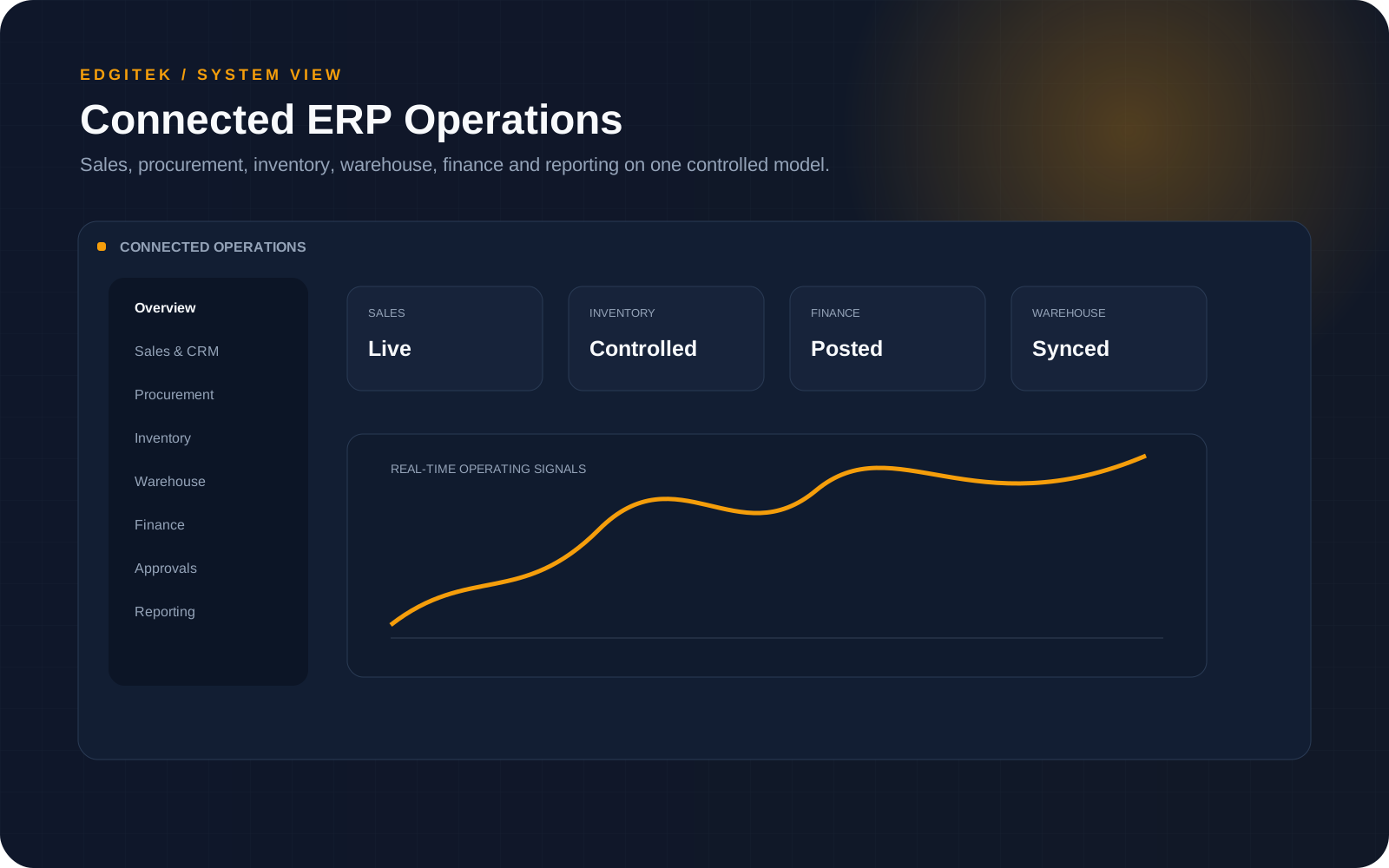
Customers, quotations, orders, pricing and commercial workflows.
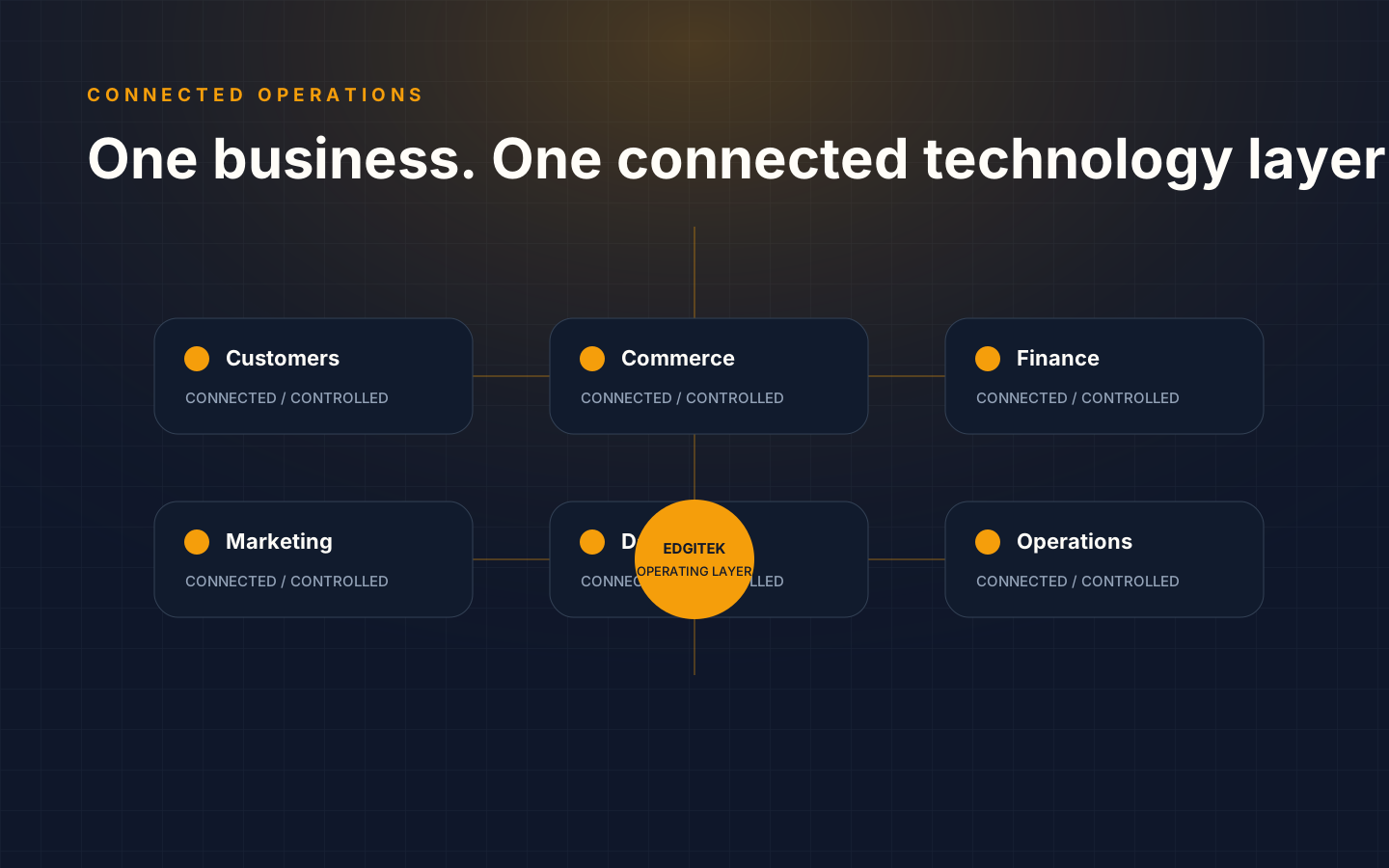
We map how the business sells, purchases, stores, accounts, approves and reports—then design the system around that operating model.
Modules can be introduced in phases while sharing a consistent master-data and permission model.
Customers, quotations, orders, pricing and commercial workflows.
Suppliers, purchase flow, approvals and receiving.
Stock control, movement, valuation and availability.
Locations, picking, delivery and dispatch operations.
Receipts, payments, ledgers, settlement and management reporting.
Counter sales, stores, inventory and payment workflows.
Role-based approvals, exception handling and audit trail.
Operational and finance views built from transaction data.
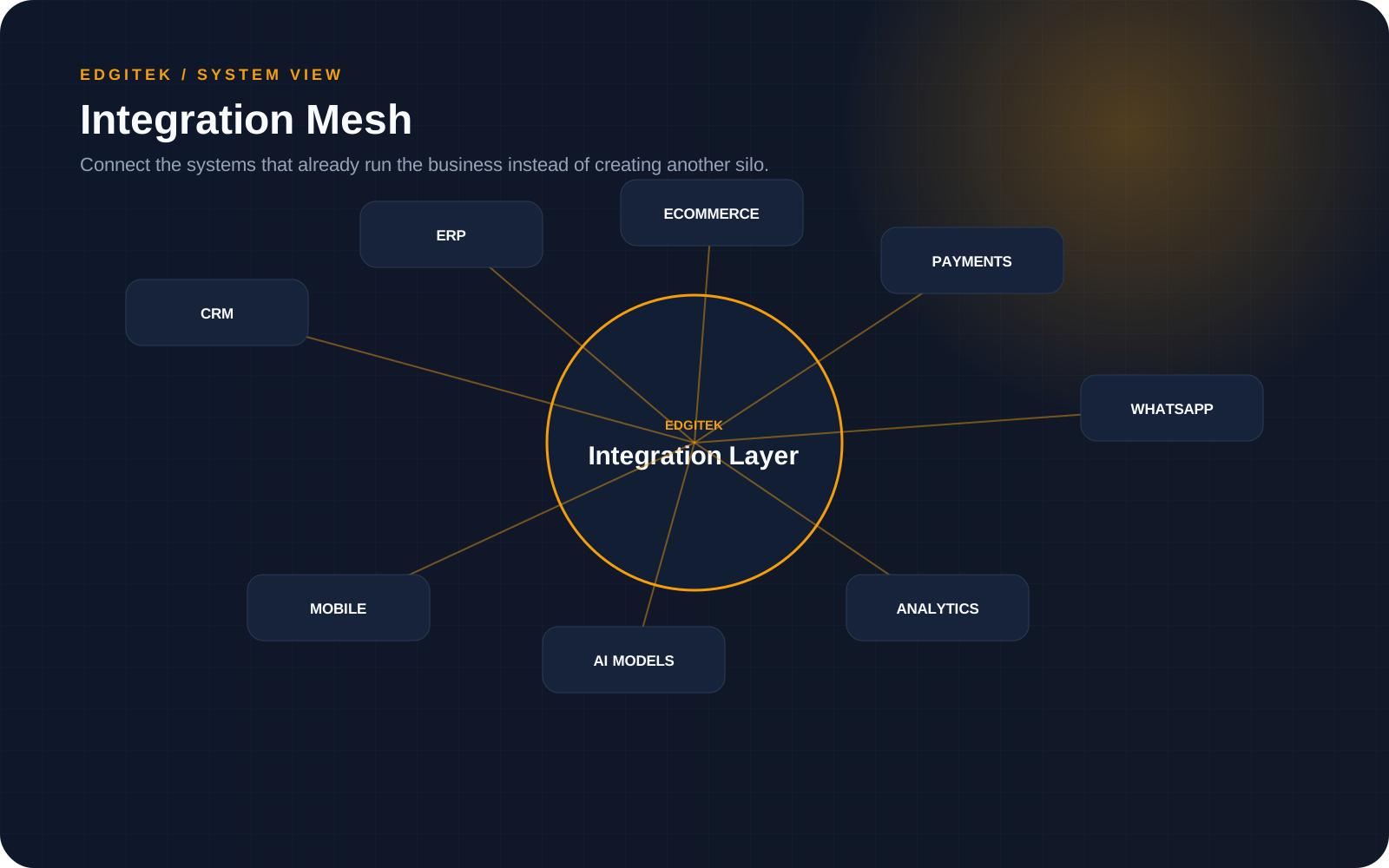
FBR, payments, ecommerce, CRM and external business services where required.
Notifications, recurring tasks and cross-module workflow rules.
Connected modules reduce repeated entry, manual reconciliation and reporting delays.
The process should protect working operations while moving toward a better system.
Document current data, workflow and controls.
Define target process and master data.
Implement modules and permission rules.
Move approved data with reconciliation.
Test transactions, reports and exceptions.
Launch in phases with support and monitoring.
Common considerations for business systems.
No. A phased implementation can preserve working operations while moving selected workflows into the new system.
Yes, where APIs or reliable integration methods are available.
Yes. Roles, authority limits, approval paths and audit trail can be modeled around the business.
Yes. Reporting can be designed around the data and decisions management actually needs.
Where official interfaces and project requirements allow, regulatory or external integrations can be designed into the system.
Tell us what needs to improve, connect or scale. We will start with the business problem and recommend the right product and technical approach.